Capture

What Are You Carrying?

Philippians 4:6

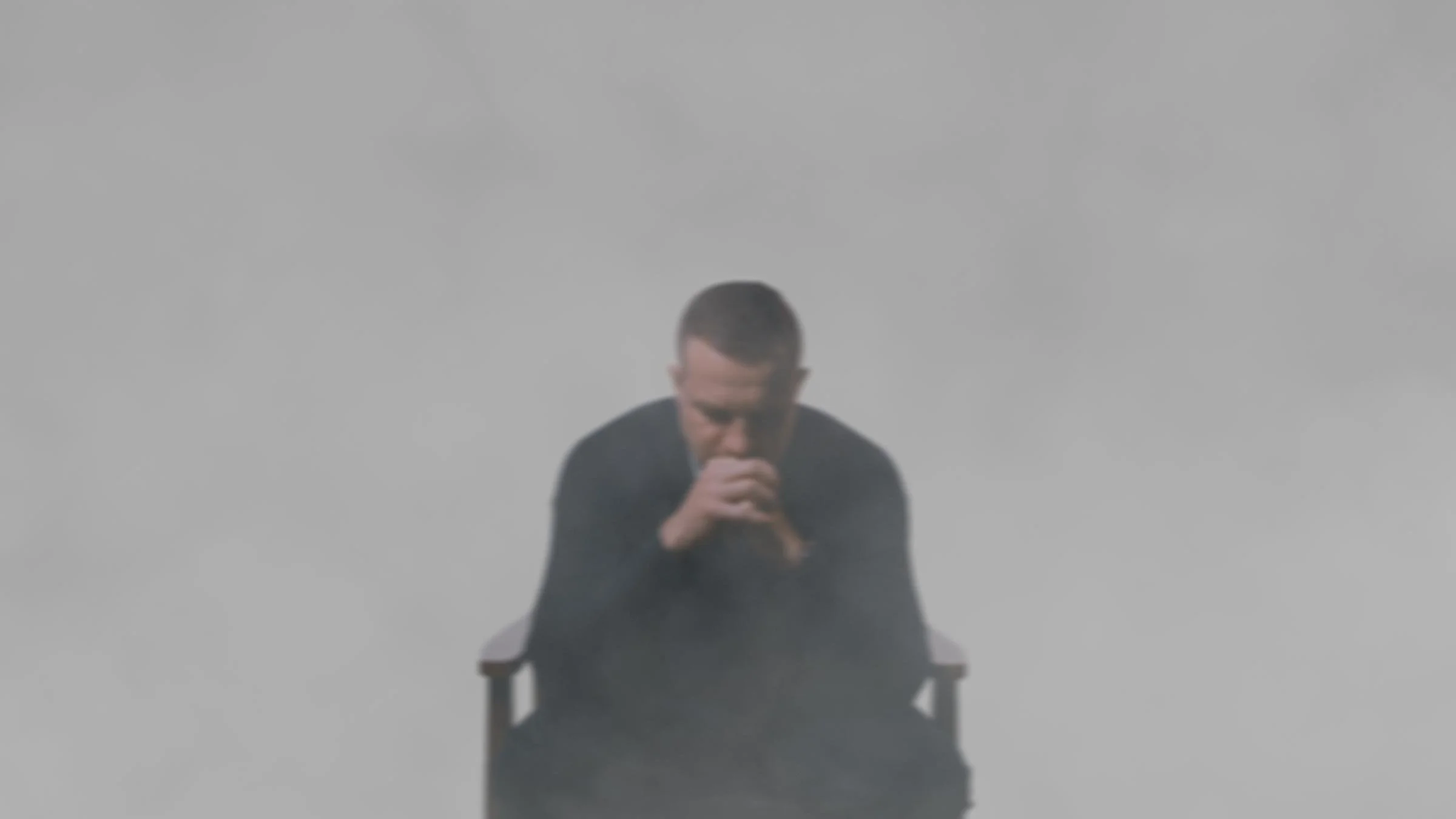
One of the clearest signs that your mind is carrying too much is when it never really powers down. You may still be functioning, still showing up, still getting things done, but inwardly you feel tight, restless, or constantly “on.” Often, that is what anxiety feels like before we even name it. Paul says, “Don’t worry about anything, but in everything… present your requests to God.” That means God never intended for you to simply carry your burdens internally and call that maturity. He invites you to bring them to Him.

The hard part is that many people would rather rehearse their burden than release it. We replay the scenario, plan for the worst, analyze every angle, or quietly try to hold it together. But none of that brings peace. At some point, the burden has to leave the loop in your mind and be brought honestly into the presence of God.

  • Reflect: What burden have you been mentally carrying that you have not honestly brought before God?

  • Pray: Lord, help me stop carrying what You have invited me to bring. Give me honesty and humility to place my burden before You today.

Start Small, Stay Faithful

2 Corinthians 10:5

Sometimes people hear a passage like this and feel overwhelmed. “How am I supposed to take every thought captive?”

The answer is not by becoming hyper-analytical or mentally exhausted. It starts smaller than that. 

  • You start by noticing one recurring thought.

  • Then you name it.

  • Then you ask whether it is true.

  • Then you replace it with truth.

  • Then you keep doing that faithfully over time.

That may sound simple, but simple does not mean shallow. Small faithful steps are often how God begins retraining the mind.

  • Reflect: What is one recurring thought you need to start confronting more intentionally?

  • Pray: Father, help me take small but faithful steps in the battle for my mind. Teach me to keep bringing my thoughts under the authority of Christ.

Captive, Not Comfortable

2 Corinthians 10:5

Paul says we are to take thoughts captive. That is strong language on purpose. He does not say:

  • entertain every thought

  • make peace with every thought

  • sit passively under every thought

He says: take it captive. That means when a thought shows up that does not align with the truth of Christ, it should not be allowed to settle in like a welcomed guest. It should be confronted and surrendered.

  • Reflect: What thought in your life has become too comfortable when it actually needs to be confronted?

  • Pray: Lord, help me stop making peace with thoughts that need to be taken captive. Give me wisdom and courage to confront what is false.

Not Every Thought Tells the Truth

2 Corinthians 10:5

One of the most dangerous assumptions we can make is this: “If I’m thinking it, it must be true.”

But that simply is not how the mind works.

  • Some thoughts are shaped by fear.

  • Some are shaped by past wounds.

  • Some are shaped by shame.

  • Some are shaped by temptation.

  • Some are shaped by pride.

Some are shaped by spiritual attack.

That means discernment matters. Not every thought deserves agreement. Some thoughts should be questioned, challenged, and brought into the light.

  • Reflect: What thought have you been tempted to automatically trust without really examining it?

  • Pray: God, teach me not to automatically agree with every thought that enters my mind. Help me become more discerning and more anchored in truth.

How Strongholds Form

2 Corinthians 10:4–5

Strongholds rarely start loud. Most of the time, they begin as small thoughts that are repeated, believed, and left unchallenged long enough to become normal.

  • A lie cn become a lens.

  • A fear can become a filter.

  • A wound can become an identity.

  • A thought can become a pattern.

And eventually, a pattern can become a stronghold.

That is why this passage is so important. Paul is reminding us that some thoughts must be torn down, not tolerated.

  • Reflect: What thought in your life has started feeling “normal” even though it may not actually be true?

  • Pray: Father, expose any lie or mental pattern that has quietly become too comfortable in my life. Give me courage to confront what needs to be torn down.

The Battle Beneath the Surface

2 Corinthians 10:3-4

Some of the hardest battles in life are the ones no one else can see. You may look fine on the outside while your mind is running in circles on the inside. Fear. Shame. Control. Regret. Self-condemnation. Mental exhaustion. Unspoken lies.

Paul reminds us that the Christian life involves real warfare, but not the kind the world usually talks about. The battle is deeper. It is spiritual. That means what is happening in your mind and heart matters more than you may realize.

It also means you are not meant to fight this battle with worldly tools alone. More information, more distraction, more control, or more self-reliance cannot win a battle that requires the power of God.

  • Reflect: Where do you most feel the battle in your mind right now?

  • Pray: Lord, help me recognize the deeper spiritual battle happening beneath the surface and teach me to rely on Your strength instead of my own.

Guarding Your Heart Is Not Passive

Proverbs 4:23

23 Guard your heart above all else, for it is the source of life.


To guard something means you care enough to protect it. No one guards something by accident. That means guarding your heart is not passive. It requires intentionality. It means paying attention to:

  • what you are rehearsing mentally

  • what you are feeding emotionally

  • what voices you are allowing in

  • what habits are shaping you

  • what truths you are neglecting

This is not about becoming fearful or overly introspective. It is about learning to live awake.

  • Reflect: What is one practical way you can begin guarding your heart more intentionally this week?

  • Pray: Lord, help me not live passively with my inner life. Teach me to guard my heart with wisdom, humility, and truth.

Small Drift Becomes Big Direction

Proverbs 4:26–27

26 Carefully consider the path for your feet, and all your ways will be established. 27 Don’t turn to the right or to the left; keep your feet away from evil.


One of the most dangerous things about drift is that it rarely feels dramatic in the beginning. It often feels small, subtle, and easy to ignore. But little patterns become larger pathways over time.

A thought repeated enough times becomes more believable. A fear entertained long enough becomes more influential. A distraction left unchecked becomes a way of life.

That is why wisdom says, “Carefully consider the path for your feet.” Pay attention to where your inner life is taking you.

  • Reflect: Where do you sense a subtle drift happening in your thoughts, desires, or focus right now?

  • Pray: God, help me recognize drift before it becomes direction. Give me wisdom to notice what needs to change now, not later.

What Comes Out Usually Came From Somewhere

Proverbs 4:24–25

24 Don’t let your mouth speak dishonestly, and don’t let your lips talk deviously. 25 Let your eyes look forward; fix your gaze straight ahead.


It is easy to focus only on what comes out of us, our words, reactions, attitudes, and habits, without asking what those things are revealing. But Proverbs 4 reminds us that speech, focus, and direction are all connected to the heart. That means when something unhealthy keeps surfacing outwardly, it is often revealing something deeper inwardly. That is actually good news, because it means your struggles are not random. They may be pointing somewhere. Your reactions may be exposing what your heart has been rehearsing.

  • Reflect: What recent words, reactions, or attitudes in your life may be revealing something deeper going on underneath?

  • Pray: Lord, help me pay attention not just to what comes out of me, but to what may be driving it underneath.

The Hidden Direction of the Heart

Proverbs 4:23

“Guard your heart above all else, for it is the source of life.”


That is a weighty sentence. It means your heart is not just part of your life. It is the wellspring of your life. Everything eventually flows from it. What you dwell on eventually affects:

  • how you respond

  • how you speak

  • what you desire

  • what you fear

  • what you pursue

  • how you treat people

  • how you see God

Most people do not drift into unhealthy patterns because they wake up one day and decide to. They drift because something inside them was left unguarded long enough to start shaping everything else.

  • Reflect: What area of your heart or thought life feels most vulnerable or unguarded right now?

  • Pray: Father, help me take my inner life seriously. Teach me to guard what You say matters most.

What’s Been Living in Your Mind?

Proverbs 4:20–22

20 My son, pay attention to my words; listen closely to my sayings. 21 Don’t lose sight of them; keep them within your heart. 22 For they are life to those who find them, and health to one’s whole body.


Most people pay more attention to what they say and do than to what they repeatedly think about. But Scripture begins in a different place. Proverbs 4 starts by calling us to pay attention, listen closely, and keep God’s truth within our hearts. That means what fills your inner life matters deeply to God. Your mind is not just a storage room for random thoughts. It is more like a garden. Whatever is planted there and left unattended will eventually begin to grow. Some thoughts produce life, clarity, peace, and faith. Others quietly produce fear, pressure, resentment, temptation, distraction, or discouragement That is why this passage starts with attention. You cannot guard what you are not noticing.

  • Reflect: What has been taking up the most space in your mind lately?

  • Pray: Lord, help me pay attention to what is shaping my inner life. Make me more aware of what I have been allowing to live in my mind and heart.